
How to Get More Google Reviews for Your Tree Service Business
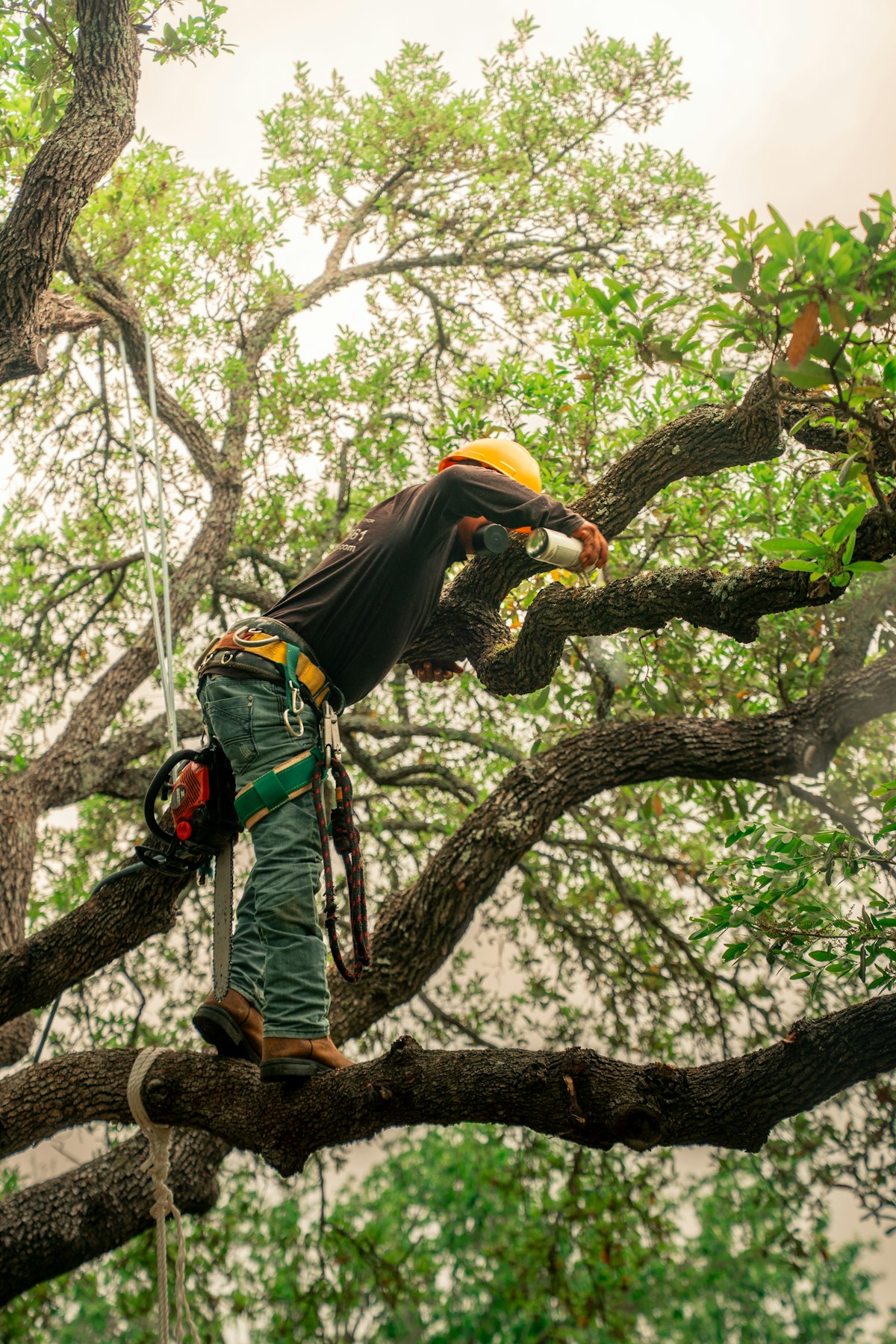
Nobody hires a tree company the way they hire a lawn crew. A homeowner calling about a leaning oak thirty feet from their roof is thinking about liability, injury, and property damage before they’re thinking about price. That’s a different kind of decision than almost any other home service purchase, and it changes what your Google reviews need to do.
Most trades sell competence. Tree service sells the absence of disaster. Your reviews are the proof that nothing went wrong the last hundred times someone hired you to do something genuinely dangerous near their house.
Why trust matters more here than almost anywhere else
Think about what a prospect is actually picturing when they search for tree removal: a crew with chainsaws and a crane working directly above their roof, their fence, their kid’s swing set, or a power line. There’s no version of that job where “cheapest option” feels like the right instinct. People pay more, without much argument, for a company that looks like it knows what it’s doing — and the fastest signal of that is a stack of reviews that specifically mention the job going cleanly, safely, and without a mess left behind.
A thin review profile doesn’t just cost you the sale on price. It raises a real question in the prospect’s mind: has this company actually done this before, or am I the one who finds out if they know what they’re doing? Reviews answer that question before the estimate call even happens.
Storm damage adds a second layer most trades don’t deal with. When a storm rolls through and drops branches on half the neighborhood, you get a surge of people searching “tree removal near me” who have never needed a tree company before and have no existing relationship with anyone in the trade. It’s the same dynamic roofers see after hail — a flood of first-time searchers with no loyalty, deciding in minutes based entirely on what they see on the map. In that moment, review count and recency are doing all the work a personal referral would normally do. The company with 90 recent reviews gets the call. The company with 12 reviews from two years ago gets skipped, storm or no storm.
The best moment to ask: right after cleanup, not right after the cut
The tree coming down isn’t the moment that earns a review. The mess being gone is.
Think about what the property actually looks like mid-job: branches everywhere, sawdust, a stump still standing, maybe a section of lawn torn up from equipment. That’s not a satisfying picture, even if the dangerous part of the work went perfectly. The satisfaction spike happens later — when the crew finishes cleanup, hauls everything off, and the yard looks like nothing happened except one less problem tree. That “it’s like they were never here” moment, right after the truck pulls away, is peak satisfaction. That’s when the review ask needs to land.
Ask too early — right when the tree is down but before cleanup wraps — and you’re asking someone to evaluate a job that still looks unfinished, because to them, it is. Wait a few days and the adrenaline of “that dangerous thing is finally gone” fades into just another chore that got crossed off the list. The window is short: same day, after the crew has cleared out and the customer’s had a minute to walk the yard and see it clean.
The objection: “this is a one-time job, why would they think of us again”
This is the objection every tree service owner raises, and it’s worth taking seriously instead of dismissing it — because it’s true. Most tree removals are a one-time transaction. Unlike lawn care or pest control, there’s no quarterly visit where you get a second, third, and fourth chance to catch the customer in a good mood and ask.
That’s not a reason to skip the ask. It’s the exact reason the ask has to be automatic and immediate. With a recurring service, if you miss the moment after one visit, there’s another visit in a few weeks where you can try again. With tree work, there is no second visit. If the review request doesn’t go out within hours of that job wrapping, there usually isn’t another natural opportunity to ask — the relationship is over, the crew’s on the next job, and the homeowner has already mentally closed the chapter. A system that fires the moment the job is marked complete isn’t a nice-to-have here the way it might be for a business with repeat touchpoints. It’s the only real shot you get.
What to actually send
Here’s an example built for that immediate post-cleanup window:
Hi Karen, this is Danny with [Company] — just wrapped up the removal and cleanup on the oak by your driveway. Yard’s all clear, debris hauled off. Glad we could get that handled safely for you. If you have a minute, a Google review would really help us — a lot of folks are hesitant to bring in a crew for work this close to the house, and hearing from someone who’s been through it makes a real difference: [link]
That last line matters. It names the actual hesitation a prospect feels — letting a crew work dangerously close to their home — and asks the reviewer to speak directly to it. That produces a more useful review than a generic “great service, highly recommend,” because it’s the exact reassurance the next anxious homeowner is looking for.
For storm work, the framing shifts slightly, since the customer’s emotional state going in was stress, not just planning:
Hey Tom, Danny again — sorry about the storm damage, but glad we could get out to you quickly and get that tree off the fence line safely. Everything’s cleared and hauled. If you’ve got a sec, a review would help other folks who get hit by the next storm and need someone fast: [link]
Both examples follow the same core principles covered in our text message examples guide — short, specific to the job, one link, sent same-day. The only real adjustment for tree work is naming the safety/trust angle directly instead of leaving it implied.
Why this can’t rely on someone remembering to ask
Tree crews are physically exhausted after a job like this, moving straight to the next site, and asking for a review is realistically the last thing on anyone’s mind once the truck is loaded. That’s exactly the situation an automated system is built for — it doesn’t get tired, it doesn’t forget, and it doesn’t need someone to remember to do it standing in the driveway. If your team is uncomfortable asking directly, even by text, this guide on asking without it feeling forced covers how to frame it so it doesn’t read as pushy.
Tree removal and pest control get compared in a lot of the same neighborhood conversations too — homeowners dealing with a problem tree often ask the same group of neighbors who they used for pest issues. If that overlap matters to how you’re thinking about review strategy across services, see our guide on Google reviews for pest control companies for how that timing differs from a one-time removal job.
The bottom line
Tree service lives or dies on trust, and trust gets built by reviews that speak directly to the thing prospects are actually worried about — a crew working dangerous equipment right next to their house. Ask at the moment the yard looks clean again, not when the tree first comes down, and don’t count on a second chance to catch the customer later, because for most tree jobs, there isn’t one.
For more on timing, sequencing, and how many reviews actually move the needle in your local map pack, see our complete guide to getting more Google reviews.
If you’d rather not depend on a crew remembering to send the ask before they roll to the next job, Review River’s 14-day trial sends it automatically the moment the job’s marked complete — you watch it run on your own customer list before you pay a dollar, no contract required.