
How to Get More Google Reviews for Your Pest Control Business
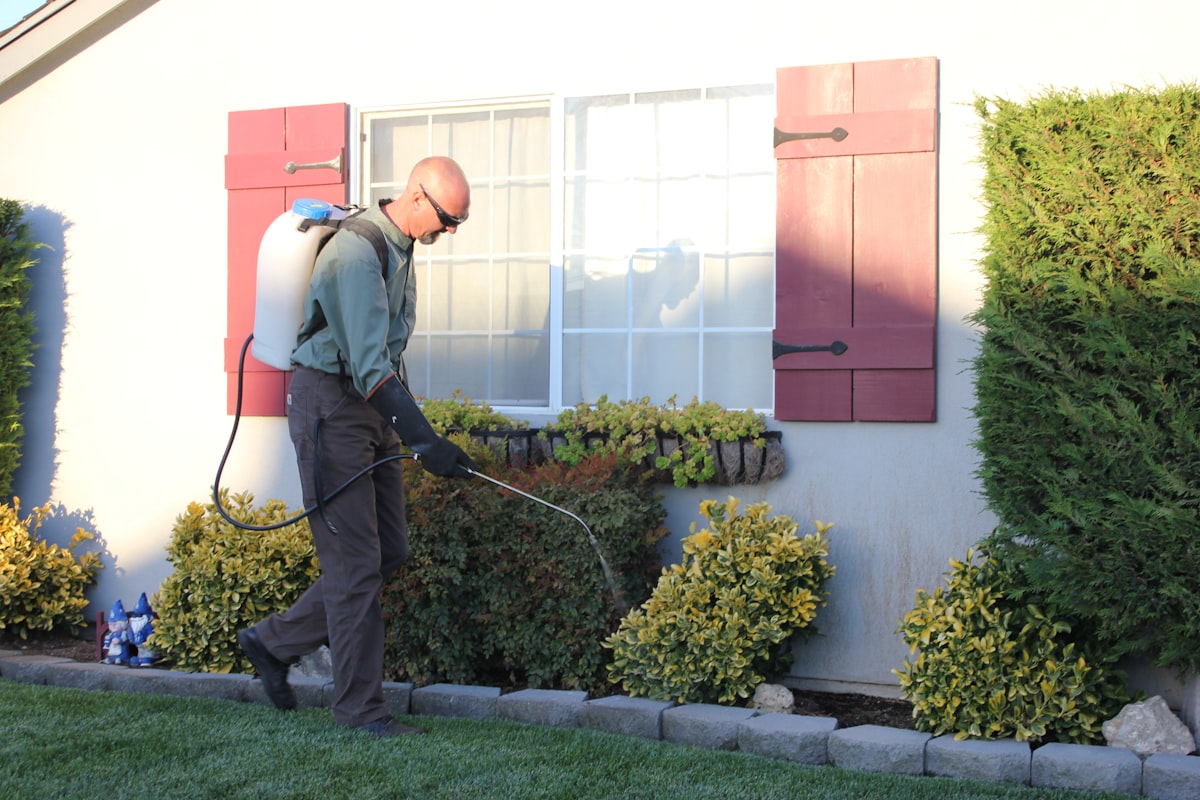
A homeowner searching “pest control near me” is almost always dealing with something they don’t want to talk about at a dinner party. That’s the part of this business that makes review generation different from nearly every other home service trade — you’re not just asking someone to talk about your work, you’re asking them to admit, in a public place, that they had a problem most people would rather keep quiet.
That doesn’t mean pest control companies can’t get reviews. It means the ask has to account for something roofers and plumbers never have to think about.
Why reviews matter more here, not less
Pest control is a trust purchase before it’s anything else. Someone finding roaches under the sink or hearing scratching in the attic isn’t calmly comparison-shopping — they’re anxious, sometimes a little embarrassed, and they want to hire someone who’s clearly handled this exact situation a hundred times before. Your Google Business Profile is the first place they check for that proof.
The recurring nature of the business makes reviews compound in a way one-time trades don’t get. Most pest control customers are on a quarterly or bi-monthly service plan, not a single visit. That means every account you keep is a review opportunity every few months, not just once at signup. A company running 200 active accounts has 200 chances a quarter to add a review — most of which never get taken, because nobody’s asking after the second, third, or fifth visit. They ask once, if at all, and move on.
And because pest problems recur seasonally (ants in spring, wasps in summer, rodents moving indoors in fall), your review count needs to keep pace with a search volume that spikes and dips throughout the year. A stale profile with reviews from 18 months ago looks like a company that stopped operating, even if you’re busier than ever.
The privacy problem — and why it’s smaller than owners think
Here’s the objection that comes up constantly with pest control owners: “My customers don’t want their name attached to a review that says they had bugs.” It’s a legitimate concern, and it’s the single biggest reason pest control companies under-ask compared to other trades.
But look at what actually gets written when a satisfied pest control customer leaves a review. Almost nobody writes “John came out and got rid of our roach infestation.” They write things like “Fast, professional, explained everything, would recommend.” The review rarely needs to name the pest at all — and when it does, it’s usually because the customer volunteered it, not because they were prompted to.
The fix isn’t avoiding the ask. It’s how you frame it. Don’t ask for a review that documents what happened in their house. Ask for a review about how the company made a stressful situation better. That’s a request most people are comfortable saying yes to, because it’s not exposing them — it’s helping the next person who’s dealing with the same anxiety they just went through.
The best moment to ask (and why it’s not the first visit)
Most pest control companies ask for a review right after the first treatment. That’s the wrong moment, and it’s worth understanding why.
After the first visit, the customer is still in wait-and-see mode. They don’t know yet if the ants are actually gone or if they’ll be back crawling across the counter in four days. Asking for a review here gets you, at best, a cautious “seems fine so far” — not the kind of confident, enthusiastic review that actually moves other people to call. Worse, some customers won’t respond at all, because they’re not ready to say it worked.
The moment that actually converts is after the follow-up visit that confirms the problem is resolved. That’s when relief peaks — the technician comes back, checks the traps or bait stations, confirms no new activity, and the customer gets the “you’re all clear” conversation. That’s the emotional high point of the entire service. They’re not anxious anymore. They’re grateful it’s handled and they don’t have to think about it again. That’s the window where a review request gets a genuine, detailed yes instead of a lukewarm placeholder.
For a two-visit initial treatment plan, that means the review ask goes out after visit two, not visit one. For ongoing quarterly service, it means asking after a service visit where the technician notes zero new activity — not automatically after every single stop, which starts to feel like you’re fishing.
What to actually send
Here’s an example built around that follow-up-visit moment, written the way a real technician would send it, not the way a marketing department would:
Hi Rachel, this is Marcus with [Company] — just wrapped up your follow-up today and everything’s looking clear, no new activity in any of the bait stations. Glad we could get this handled for you. If you have a minute, a quick Google review would really help other folks in the area who are dealing with the same thing right now: [link]
Notice what it doesn’t do. It doesn’t name the pest. It doesn’t rehash the details of the original problem. It focuses on the resolution and frames the review as something that helps someone else who’s currently anxious — which is exactly the kind of ask most customers are glad to say yes to, discretion intact.
For a quarterly account where nothing new has come up in a while, the ask can be even lighter:
Hey David, quick note from your visit today — no activity again this quarter, house is looking good. If you’ve never left us a review, we’d appreciate one whenever you get a sec: [link]
Both of these lean on the same idea: talk about the outcome, not the infestation. For more starting points, see our text message examples — most of the timing and tone principles there carry over directly, the discretion framing is the only real adjustment pest control needs.
Handling the customer who still says no
Some customers will decline no matter how the ask is framed, and that’s fine — forcing it only makes the relationship worse. If a customer seems hesitant, don’t push. The volume of quarterly accounts means you don’t need every customer to say yes; you need a consistent percentage saying yes every cycle, spread across the year, so your review count grows steadily instead of relying on a handful of enthusiastic responders.
This is also where automating the ask actually helps with the privacy concern, not just the workload. A technician asking face-to-face puts the customer on the spot in their own kitchen, right after a conversation about their pest problem — arguably the worst possible moment for someone who’s self-conscious about it. A text or email that arrives later, after they’ve had a minute to feel relieved rather than embarrassed, removes that pressure entirely. If asking in person still feels awkward for your team, this guide on asking without being awkward about it covers the reframe that helps most.
Bundled service reality
A lot of pest control customers also use a lawn care company, and the two get compared or recommended to each other constantly in neighborhood Facebook groups and Nextdoor threads — homeowners trading recommendations for “who do you use for bugs” right next to “who do you use for the lawn.” If you’re evaluating your review strategy alongside a lawn care operation, the timing logic is different — see our guide on Google reviews for lawn care companies for how that recurring relationship works when the individual visits are lower-stakes than a pest treatment.
The bottom line
Pest control reviews aren’t harder to get because customers don’t want to help — they’re harder to get because most companies ask at the wrong moment and frame the request in a way that makes customers relive an embarrassing problem instead of celebrating that it’s over. Fix the timing (after resolution confirms, not after the first treatment) and fix the framing (outcome, not infestation), and the privacy concern mostly disappears on its own.
For the full mechanics of what makes any review-request system work — timing, sequencing, how many reviews you actually need to rank — see our complete guide to getting more Google reviews.
If you’d rather not manage the timing of when each account hits its “resolved” moment across a full customer list, Review River’s 14-day trial does it automatically — you watch it run on your own customer list before you pay a dollar, no contract required.